GEO, SEO and Digital PR: What Matters in 2026
With AI dominating industry conversations, there is no shortage of predictions about automation, job displacement and the decline of traditional communications.
However, the reality emerging across the industry is quite different. Rather than signalling the end of PR, AI is accelerating the convergence of communications, search and digital marketing. These disciplines are becoming more interconnected than ever before, creating new opportunities for property developers, consultants, contractors and placemaking organisations to build visibility and trust.
We’re in an unknown and chaotic space, but it’s our duty to embrace it.
For built environment businesses, stakeholders are no longer relying solely on Google to discover information. Investors, local communities, journalists and policymakers are increasingly using AI-powered search tools, social platforms and industry publications to inform decision-making.
So, what are my top three tips for navigating this digital age?
1. Discoverability is Everywhere
Despite what people may tell you – SEO is not dead; it has just been reborn. Whilst it is true that the days of relying solely on Google rankings is over, it is still a crucial part of digital strategy.
Increasingly, people are discovering brands and expertise through AI-powered search tools such as ChatGPT, Gemini and Perplexity alongside traditional search engines. This shift has given rise to what many marketers are calling Generative Engine Optimisation (GEO) – improving how visible your organisation is within AI-generated responses.
Unlike traditional SEO, GEO isn’t just about optimising your website. It relies heavily on authority, credibility and third-party validation.
Success now depends on how well brands connect content, SEO, PR, and emerging platforms into one cohesive strategy – not those that work in silos.
Today’s audiences jump between platforms depending on consumer intent. This includes ChatGPT for holiday & campaign planning, TikTok for visual inspiration and Reddit for peer validation (there could be a whole separate essay on the rise of Reddit!).
For built environment organisations, this could mean:
- An investor researching market trends
- A resident seeking information about a local development
- A journalist looking for expert commentary on planning reform
- A policymaker researching housing delivery or sustainability challenges
- A prospective occupier exploring destinations and places
Digital PR now plays a central role in ensuring:
- Messaging is consistent across all platforms
- Content is structured and readable for AI tools
- Brand presence exists in third‑party spaces (press, forums, social and professional platforms).
Crucially, 85% of brand citations in AI responses come from third-party sources, not owned websites. That means your visibility depends heavily on earned media, community discussion and expert commentary – not just your own content and blogs (such as this).
For property and construction brands, this makes trusted industry coverage and thought leadership more valuable than ever. If your organisation isn’t being discussed in credible third-party spaces, you’re increasingly invisible to both people and AI-powered search tools.
2. Trust, Credibility and Originality Beat AI Content
It has been incredibly disheartening and frustrating to see the sheer amount of low- quality AI generated content across social media platforms this year.
Google Trends suggests that search terms for ChatGPT started climbing around January 2023, rising steadily and peaking in October 2025. It is no coincidence that since then, there has been an earthquake of shallow ‘thought leadership’ pieces on platforms such as LinkedIn.
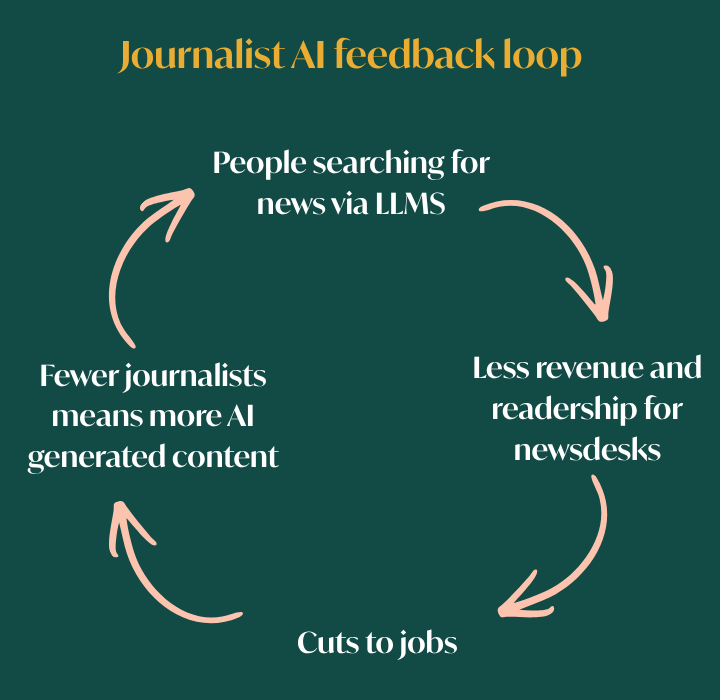
For PRs, this has also taken a strong hold in the journalist space. It has now become the daily norm to read news via LLMs such as ChatGPT rather than the original source itself. Although seemingly harmless, this has cut publisher click through rates by approximately 50%, creating a feedback loop to the creation of more AI content from publications.
It’s not all doom and gloom though. According to research, approximately 83% of markets are seeing PR positively impact LLM citations. Mentions in industry trades are leading the charge as these publications are cited as credible and trustworthy, showing the importance of authentic, compelling content.
This presents a significant opportunity for built environment organisations. Property, planning, sustainability and regeneration are complex topics that require genuine expertise. Generic AI-generated content cannot replace insight from professionals delivering projects, advising clients and shaping places.
The organisations that continue to invest in expert commentary, thought leadership and trusted media relationships are likely to be the organisations AI platforms increasingly reference and cite.
Journalism is not dead, but we need to pivot and change tack.
3. Put the social back in social media!
We’ve all been there – going down the rabbit hole of Google Analytics with three hours gone by in the blink of an eye. Whilst metrics are still the main indicators of performance, it is important to circle back to the why when creating content.
A strong content science strategy is a good place to start to succeed in 2026, with a shift from performance metrics to human signals.
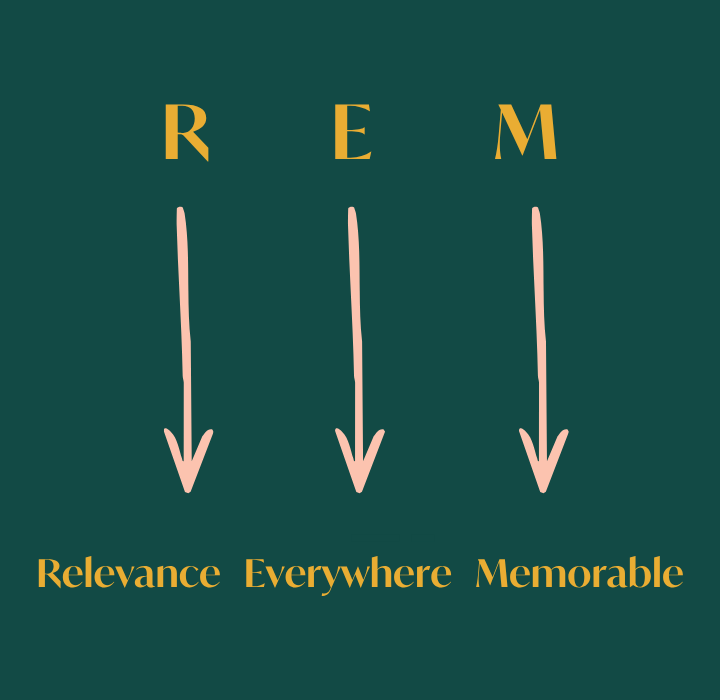
The REM framework is a strong place to start when creating content – and no, not the band or sleep stage. Asking yourself whether something is relevant covers real-world behaviour and search intent. Without being too harsh on yourself, simply ask whether anyone actually cares about what you’re posting.
Going back to an earlier point – be everywhere! Do not work in silos across platforms. This will help to establish strong sentiment and tone of voice across social media channels. Finally, be memorable. Alarmingly stats say you have 1-3 seconds to capture a user’s attention, make sure the opening is engaging and this continues throughout the piece of content.
For built environment brands, memorable content often comes from project stories, community impact, expert viewpoints and real-world outcomes rather than corporate updates.
In short, think like a consumer rather than a data-hungry marketer or PR.
Overall…
Discoverability is no longer just about ranking in search engines.
Whether someone is searching Google, asking ChatGPT a question, reading industry media or scrolling LinkedIn, the same principles apply:
- Discoverability
- Credibility
- Memorability
In many ways, that’s what GEO really is: ensuring your expertise can be found wherever people – and increasingly AI – go looking for answers.
For built environment organisations, those that invest in authority, thought leadership and trusted media relationships today will be best placed to remain visible in tomorrow’s search landscape.
Need help? If you would like a 30 -minute consultation about how we can support you on your digital PR journey, email brdigital@building-relations.co.uk and book in a free conversation now.